

Home

Special Sib
Blog Posts

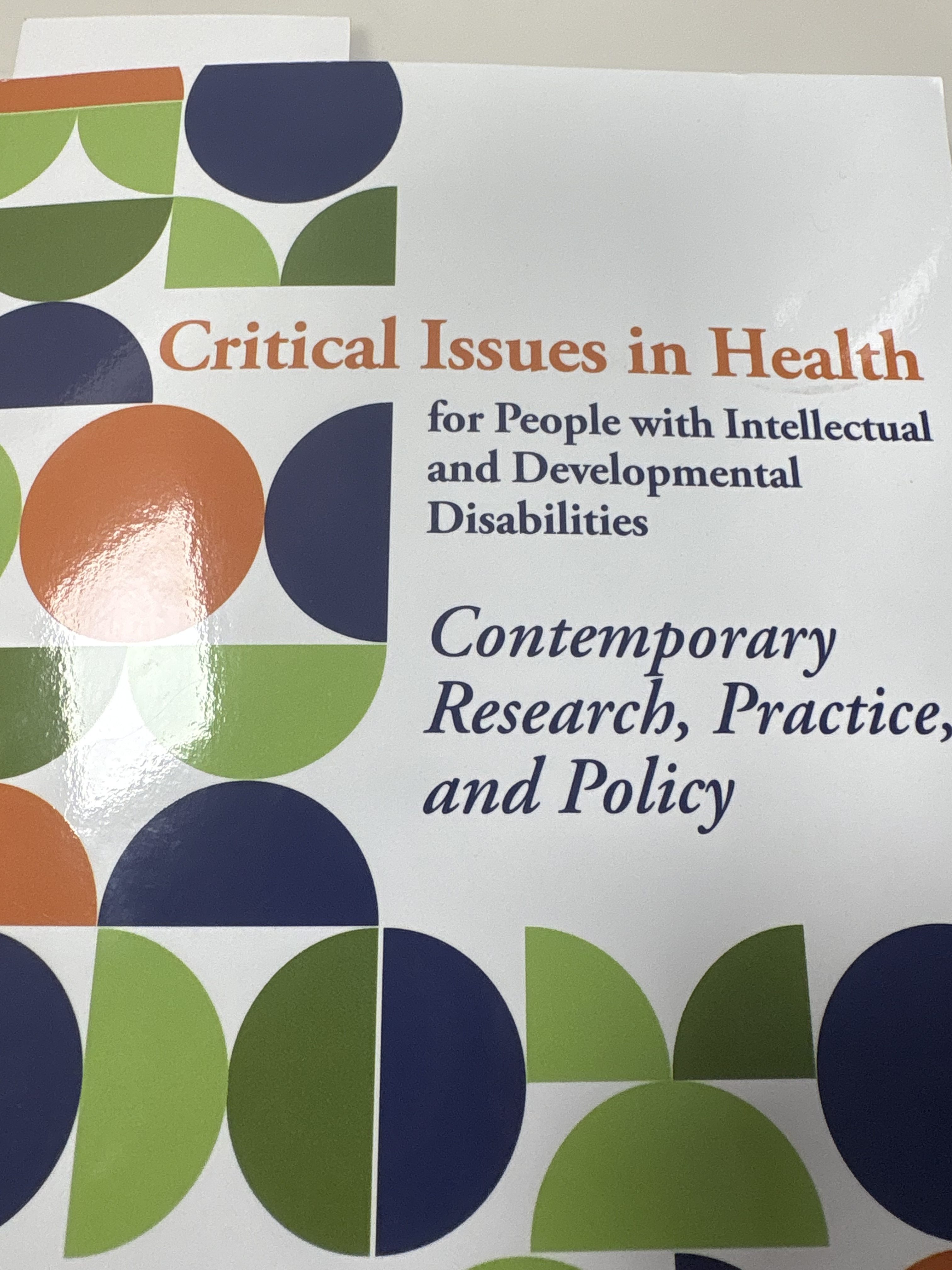
Critical Issues in Health for People with IDD: What’s on My Desk This Month
People with intellectual and developmental disabilities experience poorer health outcomes than the general population. As I wrote this month on SpecialSib, part of the reason is that the people providing their care often haven’t been trained to do it well. That isn’t only a frontline problem. It is a systems problem, and that is the…


The Natalie Project
The time has come. I always knew it would. Being raised a forever-giving, forever-guilty Catholic, I HAD to learn to be okay with saying this: I need to prioritize my family. I remember it like it was yesterday. More than eight years ago, I was standing in a dark parking lot after an advocacy meeting,…

He Was Fifty. She Put On Cartoons.
From the outside, it probably looked like kindness. A man who doesn’t speak is lying in a hospital bed. A nurse turns on the TV, finds a children’s cartoon, and leaves it playing. Something gentle and bright to pass the time. My brother was fifty years old. When I asked the nurse why she had…



If you’re on SSI or SSDI you get free healthcare BUT often you have to wait even longer to get authorizations in some cases. Even though social security is a federal agency the state doles out the medical insurance. In California it was called Medical-Cal.
For those that believe the agencies are consistent.. good luck.